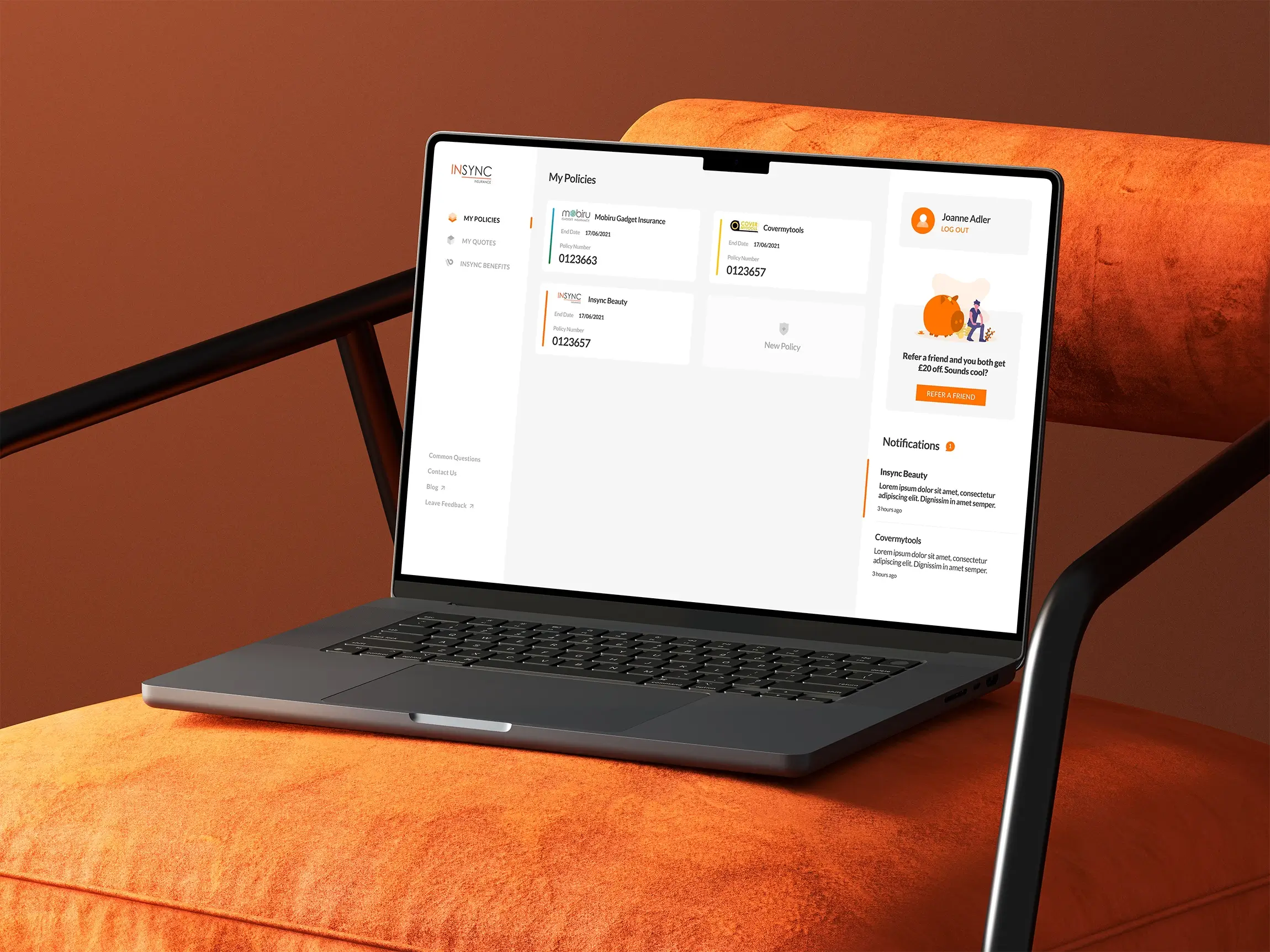
An insurance platform can contain several different jobs: gathering a quotation request, supporting an agent, making policy documents available and helping a customer continue a saved journey. A useful modernisation scope identifies which job changes first and what the surrounding system must keep doing.
The published Insync project describes quotation applications, agent operations and customer self-service. It provides delivery context for these questions. It does not establish that a new platform has the same integrations, that an AI can underwrite independently or that every migration can avoid interruption.
Draw the operational path
Begin with the input, the person who owns the next decision and the destination of the result. For a quotation journey, that may include required customer information, product rules, supporting documents and a saved state. For servicing, it may involve a policy update, renewal or claims-reporting request.
Record which data is authoritative and which systems may change it. Keep an exception path visible. A missing value or rejected integration should have an owner and a recoverable state.
Separate delivery evidence from a broader promise
A named reference is most useful when it explains the specific work. The Insync record describes connected applications and workflows. A proposed third-party integration still needs confirmation of its supported interface, permissions, environment and scope.
Similarly, software access controls or audit records can support agreed requirements, but they do not by themselves grant regulatory approval. The accountable business, compliance and legal teams need to define the applicable obligations and acceptance evidence for the actual engagement.
Find the first useful release
A first milestone should complete a bounded journey for its users. It could improve quotation capture, connect an approved record to a target system or make selected documents accessible through a portal. The choice depends on the running system and evidence, not a default promise to rewrite everything.
Use a keep/repair/replace decision for the components involved. A useful existing account system or operations database may remain behind an agreed interface. A fragile handoff may need a reviewable queue and duplicate protection rather than a new platform.
The filled architecture record and fictional portal demonstration show how those decisions can be explained. They are demonstrations, separate from the Insync client work.
Treat data recovery as its own requirement
Parallel operation can help validate results where the architecture permits it. It is not a universal guarantee of uninterrupted service. Identify where a maintenance window, backup restoration or a different cutover approach is needed.
A feature flag can redirect requests but cannot automatically undo an incompatible data change or an action already accepted by an external system. Define reconciliation, recovery limits and who can approve the transition before the release.
Agree the assessment output
A useful first assessment can produce a workflow map, confirmed integration assumptions, a validation plan, a first milestone and a recommendation to proceed or resolve prerequisites. It should say what it could not establish. A prototype or implementation belongs in the written scope if it is required.
Explore custom insurance software for the relevant delivery scope, or read how a CoreLine engagement starts. Bring one workflow, the systems involved and the decision you need to make. Confidential records can wait until an approved sharing boundary has been agreed.